Serving Toronto & the Greater Toronto Area 24/7 Emergency Response647-494-5566
Home  /  Services  /  Water Damage Restoration
Water Damage Restoration · Toronto & GTA

Water Damage Restoration in Toronto & the GTA

Burst pipe, basement flood, appliance leak, or storm water issue? We extract water, dry the structure, document the loss, and rebuild damaged areas before mould and secondary damage spread.

IICRC Certified · Licensed · Insured · WSIB · Bonded
Get a Free Estimate Today

Fast response. No obligation.

Call 647-494-5566 Now
Your information is secure and never shared.
IICRC CertifiedLicensedInsuredWSIBBondedToronto & GTA
Complete restoration and renovation solutions
Water mitigation equipment
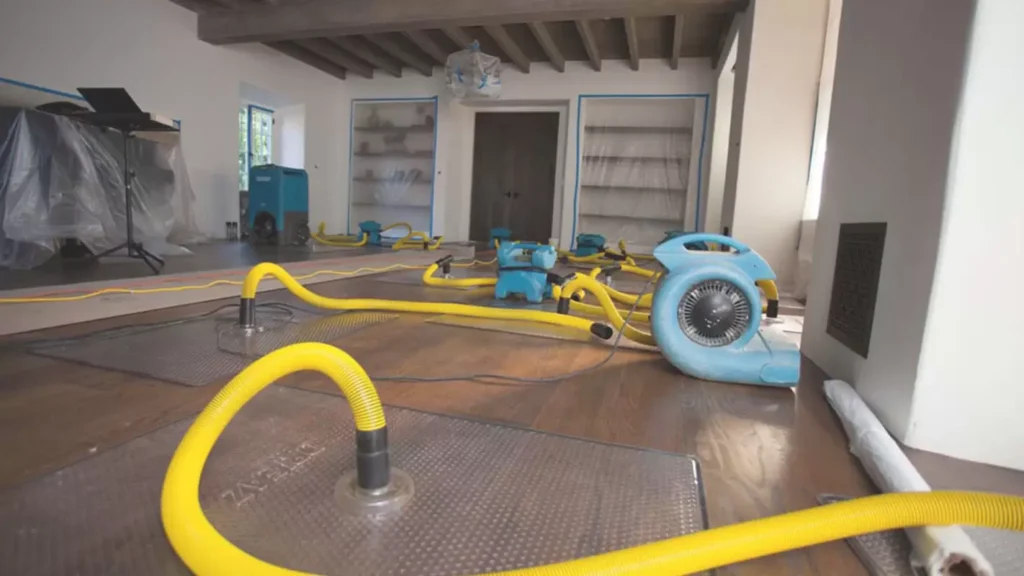
Structural drying equipment
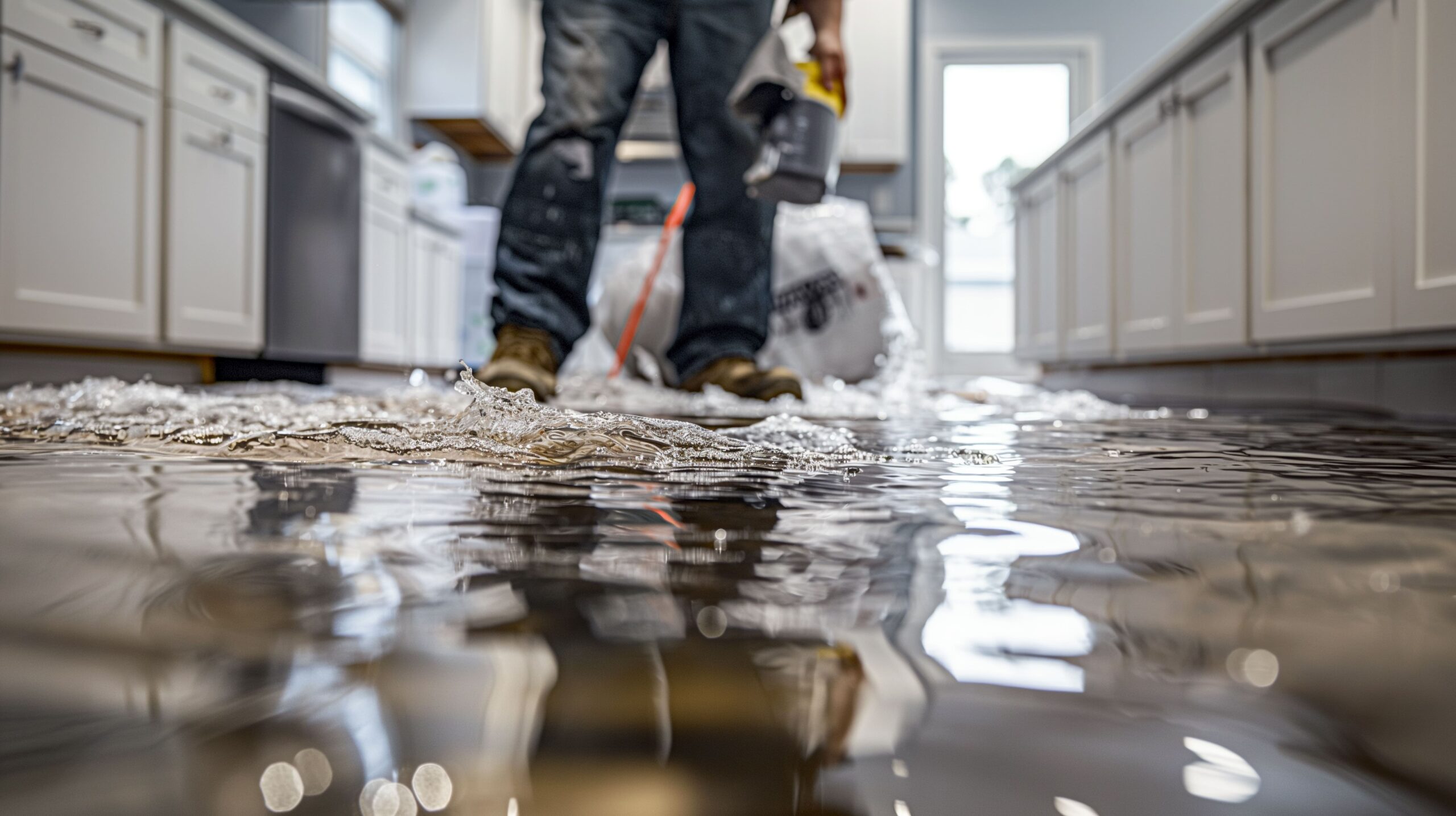
Water-damaged living space
The Service

Water damage restoration built for fast containment and clean rebuilds

Water damage spreads quickly through drywall, flooring, framing, insulation and common areas. Speedy Construction & Restoration responds across Mississauga, Toronto and the wider GTA to limit the loss, remove standing water, dry the structure, and carry out the repairs that return the property to safe use.

We serve homes, commercial spaces, apartment buildings, occupied units, and suite-turn projects across Toronto and the Greater Toronto Area, with documentation that helps owners, managers, and insurers understand the scope.

How bad a water loss becomes depends on four things: how much water entered, how long it sat before drying began, whether it was clean water, grey water or sewage, and which building materials it reached. Those four factors drive the equipment we bring, the containment we set up and the repair scope. They are the first things we establish on site.

Water does not stay where you can see it. It wicks upward into drywall, travels along joists and sits under flooring and behind baseboards. That hidden moisture is what causes mould, rot and warped structure weeks later, long after the visible puddle is gone. Drying the surface is not the job. Drying the structure, and proving it is dry with meter readings, is the job.

Talk to our team ->

Water damage calls we handle

  • Flood cleanup and water extraction
  • Burst pipe and supply-line leaks
  • Basement water damage
  • Structural drying and dehumidification
  • Moisture mapping and documentation
  • Repairs, reconstruction, and finishing
Our Process

Six steps from emergency to restored

01

Assessment & Inspection

We map how far the water travelled and what it touched. Moisture meters and thermal imaging find water hidden inside walls, under floors and above ceilings. We classify the water as clean, grey or black, because that decides whether materials can be dried and kept or have to be removed. You get the findings before work starts, not after.

02

Water Extraction

Industrial pumps and extraction units clear standing water first, because every hour it sits it soaks deeper and widens the repair. If you are dealing with a live burst pipe right now, our guide on what to do in the first hour after a burst pipe covers the immediate steps. We give extra attention to carpet, underlay, subfloor and corners, where water hides and drying stalls. Thorough extraction here is what shortens the drying stage that follows.

03

Drying & Dehumidification

Air movers speed evaporation off surfaces while industrial dehumidifiers pull that moisture out of the air and out of the materials themselves. Equipment stays in place and readings are taken through the drying period, so the structure is dried to a measured standard rather than left to a guess.

04

Cleaning & Sanitizing

Contaminated materials and debris are removed, then affected surfaces are treated so bacteria, fungi and mould spores are not left behind in a space people use. Odour control deals with the smell water leaves in soft materials and cavities, which is usually the last thing to clear.

05

Monitoring & QA

We keep taking readings until every affected area meets a dry standard, and we inspect before calling the job done. The readings, photographs and notes are compiled into documentation you can hand to your insurer, and that also tells you what was actually done to your building.

06

Repairs & Restoration

Drywall, flooring, framing and finishes are repaired or replaced, and where the damage went further we rebuild the area properly. Painting, sealing and final adjustments close it out. Because we carry the job from extraction through reconstruction, you are not left finding a second contractor to put the building back together.

Common Causes

Where water damage starts

Knowing the source helps property owners act in time.

Plumbing failures
A corroded pipe can drip behind a wall for months before anything shows. A burst supply line does the same damage in minutes. Clogged drains back up and overflow into floors and adjoining rooms.
Natural events
Heavy rain and storm damage to roofing or siding let water into the interior. Across the GTA the bigger seasonal driver is freeze-thaw: snowmelt and ice dams force water back under shingles into roofs and walls, and the spring thaw pushes groundwater at foundations. Floodwater carries contaminants, which makes that cleanup a different job.
Appliances & fixtures
Water heaters fail and flood basements and laundry rooms. Dishwasher and washing-machine hoses leak slowly from worn connections. Cracked seals under sinks and toilets seep quietly into the subfloor.
Roof & structure
Missing shingles and worn flashing let rain into attics and ceilings. Failed caulking around windows and doors lets water seep in at the edges. Foundation cracks admit groundwater into basements and can affect the structure itself.
Human error
A running tap or a blocked sink left unattended releases a lot of water quickly. Neglected maintenance, clogged gutters and aging plumbing raise the odds. Poor installation during earlier work can leave a weak point that eventually gives.
Warning Signs

When to call for restoration

Catching these early limits the damage and the cost.

Visible water & stains
Yellow, brown or dark staining on walls and ceilings means water is getting in somewhere. Paint that bubbles or peels has moisture trapped underneath. Wood and laminate that swells, buckles or warps has already absorbed it.
Mould & mildew
A damp or musty smell in one room often means water damage you cannot see. Black, green or white patches appear where moisture lingers. More sneezing, coughing or irritation in a particular room is worth taking seriously.
Structural changes
Ceilings that sag or crack have been holding water. Cracks in drywall or concrete widen as moisture works on them. Doors and windows that suddenly stick usually have swollen frames.
Electrical & appliance issues
Flickering lights or breakers tripping can mean moisture has reached wiring or outlets. Appliances behaving oddly after a leak may be damaged. Treat water anywhere near electrical service as a safety issue first.
Water accumulation
Pooling on floors, in basements or near appliances points to an active leak. Carpets and rugs that stay damp are usually hiding water in the flooring below. Persistently high humidity in one area is a sign worth measuring.
In The GTA

Why water losses in the GTA look the way they do

The local causes we see most

Climate and building age drive most of the calls.

Winter pipe failures
Ontario cold snaps freeze supply lines in exterior walls, unheated garages and vacant units. The damage usually appears on the thaw, not on the freeze, and often after a property has sat empty over the holidays.
Spring thaw and heavy rain
Snowmelt over frozen ground has nowhere to go, so it finds foundation cracks and window wells. Summer storms across the GTA overwhelm drainage in short, intense bursts.
Ice dams
Freeze-thaw cycling builds ice at the eaves, and meltwater backs up under shingles into attics and ceilings. This is a roof-driven loss that shows up as an interior stain weeks later.
Basement backups
Older Toronto and Mississauga neighbourhoods carry aging municipal and private sewer connections. A backup is category-three water, which is a different job with different disposal rules.
Below-grade living space
Finished basements are standard in GTA housing, so water lands on carpet, underlay, drywall and framing rather than bare concrete. That is what turns a small leak into a rebuild.

What the building type changes

The property decides the scope more than the volume of water does.

Condominium suites
A single supply-line failure runs down through the suites below and into common elements. The corporation and the property manager become part of the job, and access, elevator bookings and building rules shape the schedule.
Multi-residential and walk-ups
Mississauga and Toronto hold a large rental stock, so drying usually happens with tenants still in place. That means containment, noise and equipment placement have to be planned around people living there.
Pre-1990s homes
Older GTA properties can hold asbestos in flooring, pipe wrap and textured ceilings. Wet material has to be tested before it is torn out, because demolition is what releases fibres.
Humid GTA summers
High summer humidity slows evaporation and keeps materials wet longer. Drying is confirmed with meter readings rather than assumed, because a building that feels dry in August often is not.
Commercial units
Plaza and office space across Mississauga and Etobicoke carries the cost of closed trading days, so the sequence of work matters as much as the work.
What To Expect

How an assessment is arranged, and what shapes the quote

From your call to a plan

What actually happens after you reach us.

1. The call
Our line is answered 24 hours a day, seven days a week, on 647-494-5566. We establish where the water is coming from, whether it is still running, and whether anyone should stay out of the area.
2. Attendance and make safe
We attend the property, stop the spread where we can, and deal with anything that is an immediate safety issue before anything else.
3. Assessment
We inspect and take moisture readings, including behind and under surfaces, and record what we find with photographs and notes.
4. Scope and estimate
You get the scope of work in writing, so you can see what is being done and why, before the repair stage begins.
5. The work, then sign-off
Mitigation, drying, cleaning and then reconstruction, with readings confirming the building is dry before repairs close it up.

What affects the scope and the price

The honest answer is that it depends on these.

How long the water sat
The single biggest factor. Water caught in hours is a drying job. Water left for days becomes a demolition and rebuild job.
The category of water
Clean supply water, grey water from appliances, and black water from sewage carry different handling requirements and different disposal rules.
Which materials it reached
Tile and concrete usually dry. Carpet underlay, insulation and engineered flooring often cannot be saved and have to come out.
How far it travelled
One room is a contained job. Water tracking into common areas, adjoining units or below-grade space enlarges the scope.
The rebuild you want back
Returning the space to its previous condition is one scope. Upgrading finishes while it is open is another, and we will quote it separately so you can see the difference.
Why Speedy

Why property owners call us for water damage

Trained, experienced crews

Water losses are handled by technicians trained in extraction, structural drying and mould prevention, working to recognised restoration standards rather than improvising.

Advanced equipment

Industrial extractors, high-capacity dehumidifiers, air movers, moisture meters and thermal imaging. The detection tools matter as much as the drying tools, because you cannot dry water you have not found.

Insurance assistance

We document the loss properly, with readings, photographs and a written scope. Clear records make a claim easier to process, and they follow the industry standards insurers expect to see.

Efficiency & timeliness

With water, delay is cost. Starting extraction and drying sooner means fewer materials lost, a smaller rebuild, and less time with the property out of use.

Preventive guidance

We tell you what caused it and what would stop it recurring, whether that is a sump pump, grading, sealing or a plumbing repair. Fixing the cause is part of the job, not an upsell.

One contractor through rebuild

Many restoration firms dry the property and hand you back a stripped room. We carry it through reconstruction and finishing, so accountability for the finished result stays in one place.

Prevention

Preventive tips for water damage

Deeper guidance for property owners. Kept on the page for reference, tucked out of the way.

Plumbing & fixture maintenance +
Inspect pipes, hoses and connections regularly. Replace aging or corroded lines before they fail, and address slow leaks early.
Roof & exterior protection +
Keep the roof, flashing and gutters maintained so water is directed away from the building envelope.
Basement & crawl space safeguards +
Use sump pumps, seal foundation gaps and manage grading so water does not collect below grade.
Interior monitoring +
Watch for damp spots, stains and odours. Early detection keeps a small issue from becoming a major loss.
Emergency preparedness +
Know your main shutoff and keep our 24/7 number handy so response begins the moment water appears.
Questions

Water damage restoration: common questions

The questions property owners and managers ask us most often.

What is water damage restoration? +
Water damage restoration is the work of repairing a property after water gets into it. We remove the water, dry the structure, clean and sanitise the affected areas, prevent mould taking hold, and repair or rebuild the damaged materials. The aim is a property that is safe, sound and usable again, not just dry on the surface.
How quickly should I act after water damage? +
Straight away. Water soaks into floors, walls and furniture within hours, and mould can follow within a couple of days. The sooner extraction and drying start, the less material is lost and the smaller the repair. Our line is answered 24 hours a day on 647-494-5566.
Can water damage cause mould growth? +
Yes. Moisture left in materials gives mould what it needs to spread, and it usually starts where you cannot see it. Proper restoration includes drying the structure to a measured standard, sanitising affected surfaces and dealing with hidden moisture before growth can establish.
Do I need a professional for a minor leak? +
A small leak can still cause serious damage if it has been running behind a wall or under a floor. A professional assessment finds the full extent, including what is hidden, extracts and dries properly, and repairs the affected area. That is what prevents structural problems and mould later.
What equipment is used in water damage restoration? +
Industrial water extractors, high-capacity dehumidifiers, air movers, moisture meters and thermal imaging. Extraction and drying equipment removes the water. Detection equipment finds moisture inside the structure and confirms when the building is actually dry.
Is water damage covered by insurance? +
Many property policies cover water damage from a sudden leak or flooding, though cover varies by policy and by cause. We provide detailed documentation of the loss and the work carried out, which is what your insurer needs to assess the claim. Confirm your specific cover with your insurer or broker.
How long does water damage restoration take? +
It depends on how far the water spread, which materials were affected and how long drying takes. A contained minor leak can be a few days. Extensive flooding with structural damage and reconstruction can run to weeks. We monitor moisture throughout, so the drying stage ends when the readings say it is done.
Can water-damaged furniture and contents be saved? +
Often, if the water is dealt with quickly and it was not contaminated. We assess each item, dry it and treat affected materials to prevent warping, staining and mould. Items soaked by sewage or left wet for a long period are far less likely to be salvageable.
How do I prevent water damage happening again? +
Keep on top of plumbing inspections, roof and gutter maintenance, and appliance hoses. Make sure the ground slopes away from the foundation, keep a working sump pump where you need one, and watch damp-prone areas. We will give you specific recommendations based on what we found at your property.
Which parts of a property are most at risk? +
Basements, kitchens, bathrooms, attics, and anywhere near appliances or plumbing runs. Roofs, windows, doors and foundations are the common entry points from outside. Our assessment covers these areas specifically, including the places moisture tends to hide.
Service Area

Water damage restoration across the GTA

Based in Mississauga and working throughout Toronto and the Greater Toronto Area, including Etobicoke, Vaughan, North York, East York, York, Brampton and Oakville, for homes, condominium suites, commercial units and multi-residential buildings.

See service areas →
Related Services

Often needed alongside

Water losses frequently involve these services.

Related Guides

Learn more about water restoration

Do Not Wait On Water

Every hour matters with a water loss.

Call now and our team will arrange attendance and begin the assessment. We assess, document and restore the property through to completion.

IICRC Certified · Licensed · Insured · WSIB · Bonded · Serving Toronto & the GTA
Call 24/7Estimate